Skip to content

08

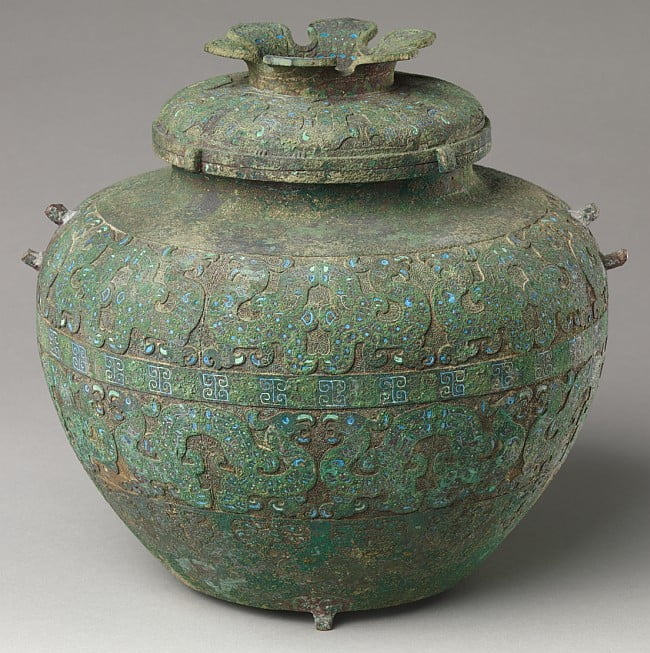
fou vessel

Three pots

Introducing the 缶 fou jar Here’s another character that occurs just three times in the Yijing: fou 缶. This is a vessel for holding liquids, something like an amphora, with a narrow neck and large body. It’s originally a pottery jar – that’s the first meaning of the character –… Read more »Three pots
Readings for restarting the podcast

I’m sharing two ‘behind the scenes’ readings of my own in this one – encouragement from Yi that nudged me along the path towards relaunching the podcast. The questions: ‘What about restarting the podcast soon?’and‘How about this idea of a podcast solely of readings?’ There’s also a lovely example of… Read more »Readings for restarting the podcast

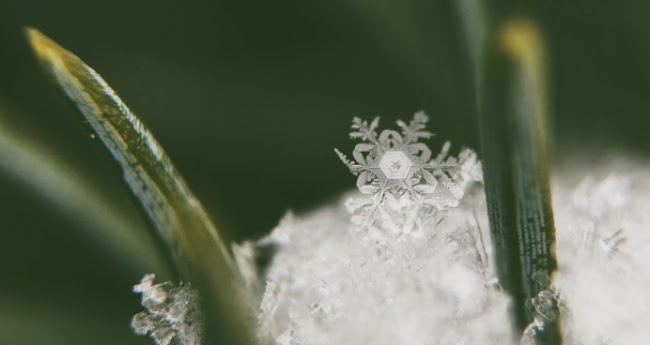
Snowflake

Hexagram 8 musings

Hexagram 8 is called Bi  – 比 – a very ancient, simple character that originally depicts two people side by side. It implies both that they’re together, and that they can be compared to one another, and so the word means belonging, seeking union, holding together, comparing, neighbouring, side-by-side… really, to translate… Read more »Hexagram 8 musings

Yi debugs a plugin

I’m not sure what kind of geek it takes to appreciate this reading – probably something quite extreme – but I think it’s brilliant and wanted to share. The background: a helpful programmer had fixed up a WordPress plugin for me, for use in the redesigned version of Clarity (still… Read more »Yi debugs a plugin

Two-line changes

This entry is part 4 of 9 in the series Two-line relationships

If you’ve been working with Yi for a while, you’re probably familiar with the idea of looking at the hexagram each individual moving line would change to on its own, to give you a better context to understand its meaning. You might have heard them referred to as zhi gua,… Read more »Two-line changes

Casting the vessel… of state?

This entry is part 4 of 5 in the series Casting the Vessel

I’ve written very excited posts before about the pattern of complementary hexagrams in the Sequence of the Yijing. Quick recap: to find a hexagram’s complement, you change all 6 of its lines. Thus the complement of hexagram 1 is hexagram 2 –         and the complement of Hexagram 3, Sprouting… Read more »Casting the vessel… of state?