Skip to content

cwi

Mountains through the mist

Hexagram 52, Stilling

Looking away Hexagram 52 is called gen, 艮, and so too is the trigram that’s doubled to make the hexagram. It translates as ‘looking away’: in the ancient character, you can see a reversed human figure with a great eye. Nowadays, it apparently also translates as ‘tough, hard to chew’ – something… Read more »Hexagram 52, Stilling

aerial view of road winding through forest

How Yi helps with planning

This entry is part 3 of 5 in the series How Yi helps

Not just for decisions It’s no secret that Yi is tremendously helpful when it comes to decision-making. You look at your options, single out the most likely one, and ask Yi, ‘What about this?’ And the oracle tells you what to expect if you take that road – be that… Read more »How Yi helps with planning

hexagram 55 trigrams in space shuttle launch

Hexagram 55, Abundance

Its name (and nature) Hexagram 55 is unusual in that its name contains two meanings – The character feng 豐 means abundant, bountiful, plentiful. The ancient character appears to be an elaborated, decorated version of the character for ‘drum’: see Richard Sears’ site – Feng, name of Hexagram 55 Zhu, drum the donations link… Read more »Hexagram 55, Abundance

psychic with crystal ball

Not being psychic

Do you need to be psychic to read the I Ching? Well, if you do, I’m in trouble. Yet this is something readers – maybe mostly tarot readers – often claim: that their psychic powers have been apparent from early childhood, and it was always clear that they were destined… Read more »Not being psychic

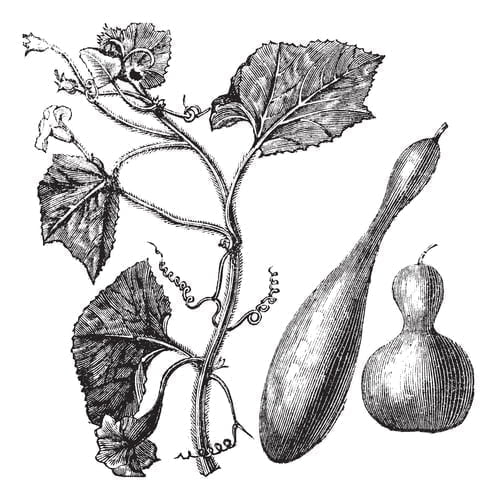
Melon perspectives

I’m experimenting with a different kind of post: taking just one line of the Yi, looking at what the translators and interpreters make of it, and seeing what I can learn from the different perspectives. Let’s start with the fifth line of Hexagram 44, Coupling – a strange line, in… Read more »Melon perspectives